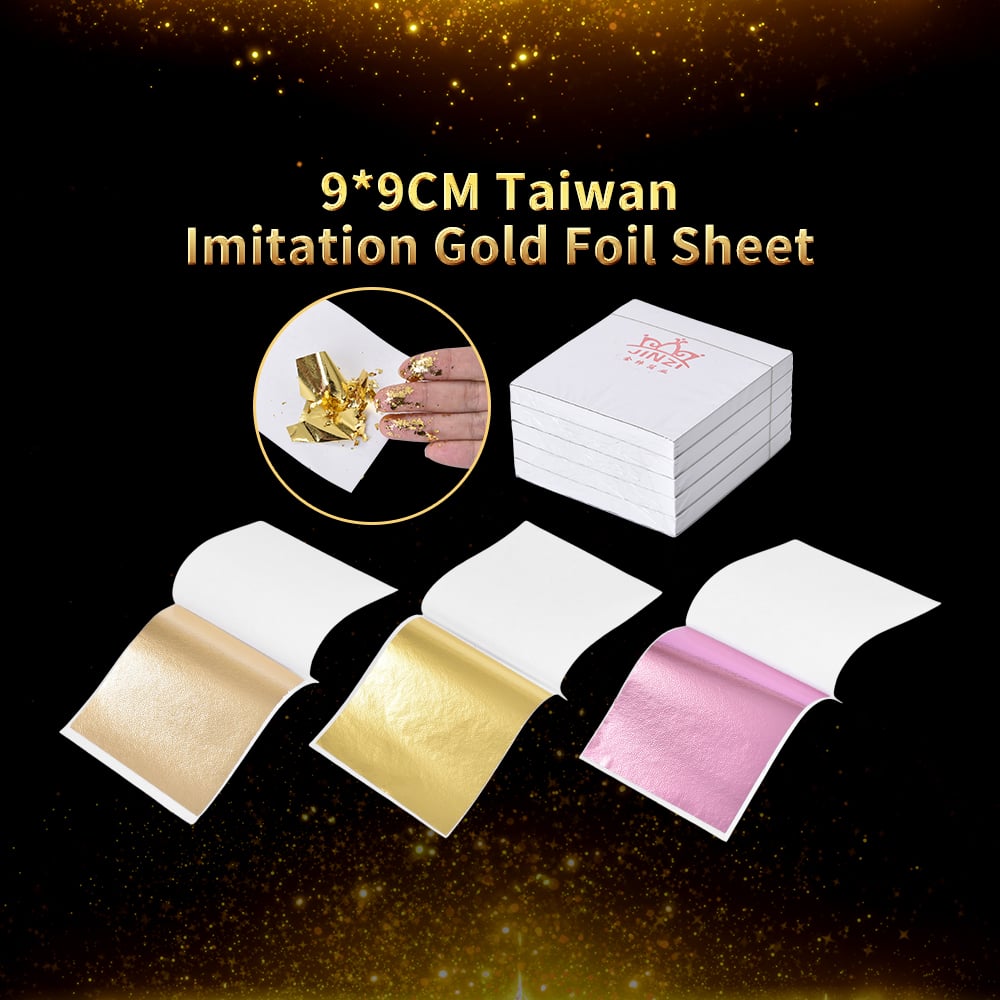
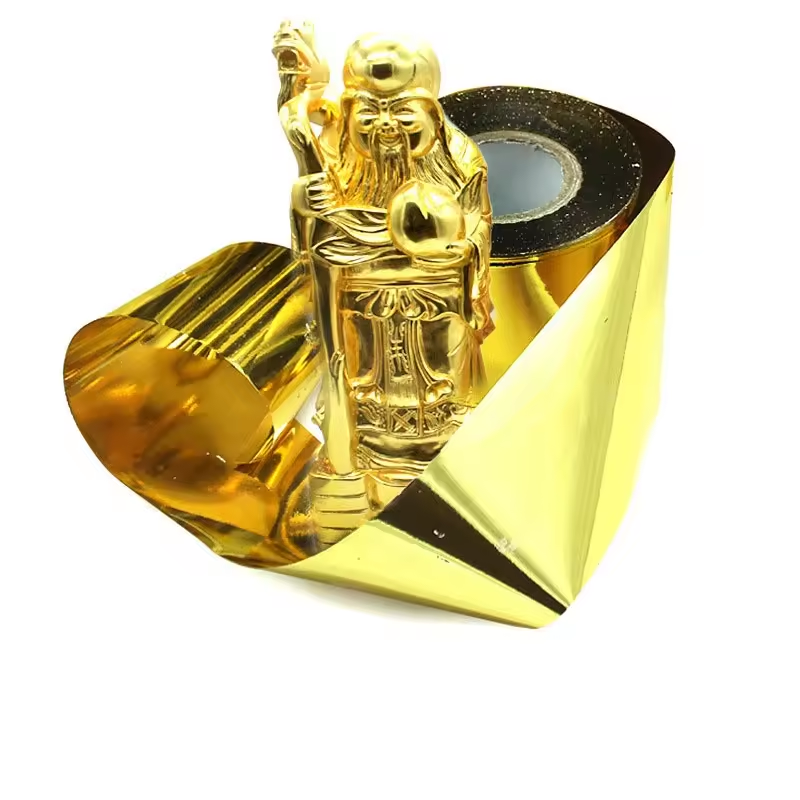
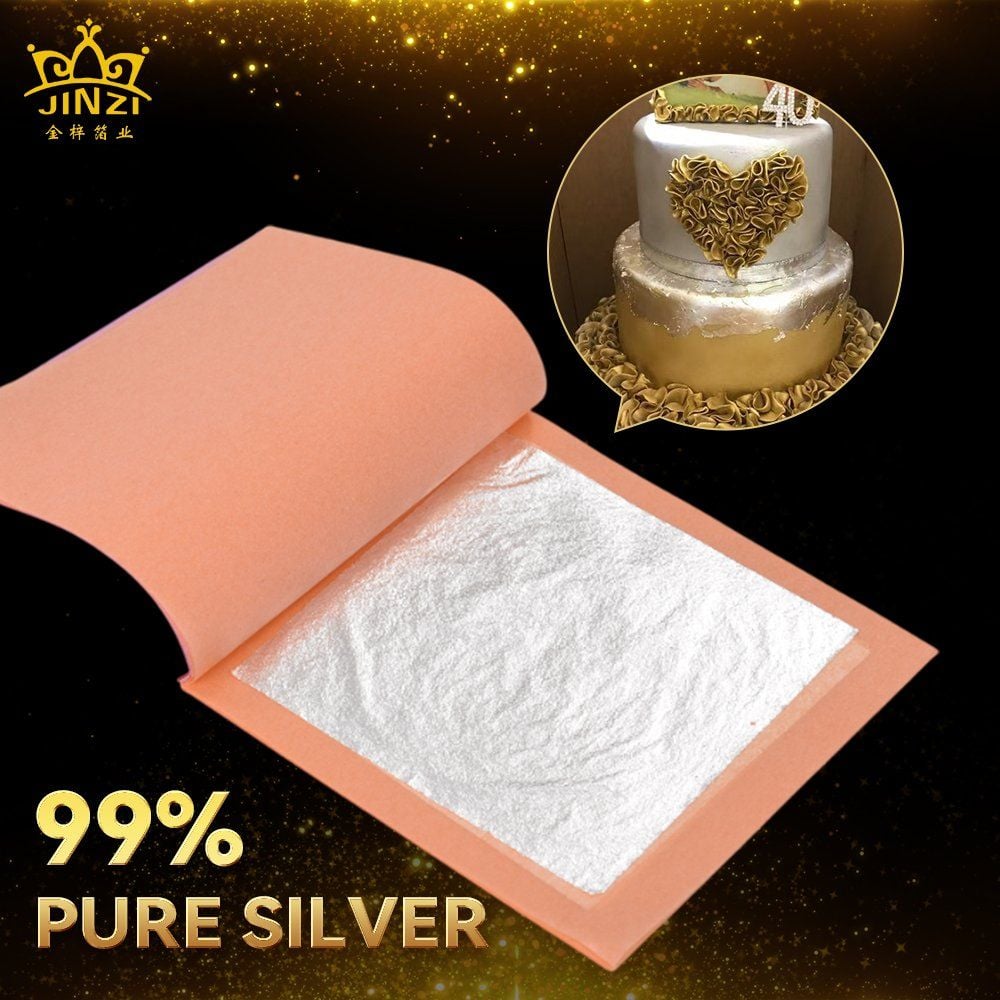
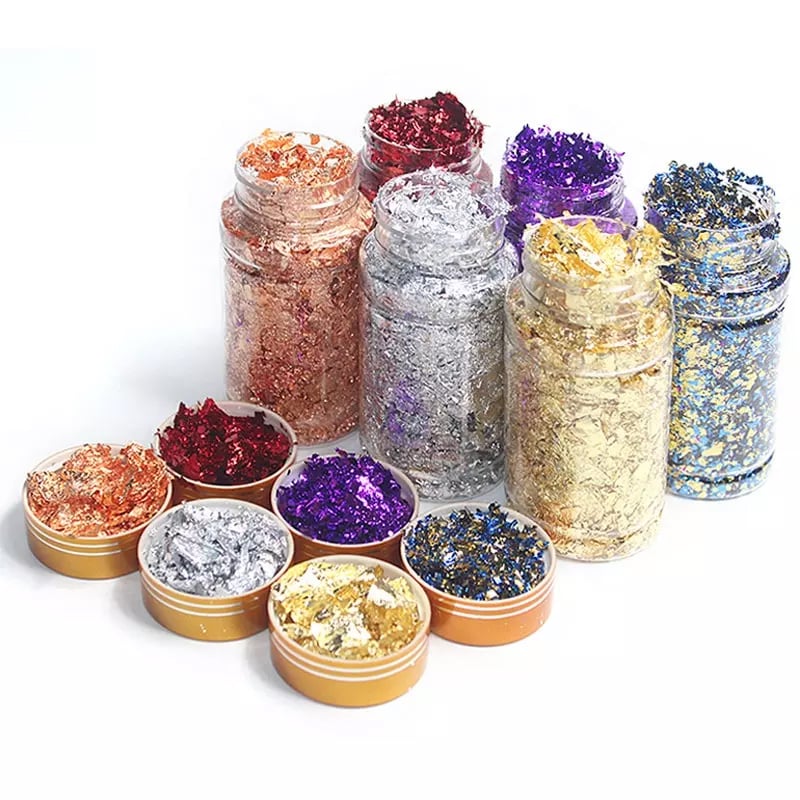
In ancient China, gold leaf was known as "gold leaves." It first emerged during the Eastern Jin Dynasty, and detailed manufacturing methods were recorded in Qi Min Yao Shu (Essential Techniques for the Peasantry). Historically, gold leaf was primarily used for gilding Buddha statues and adorning buildings, symbolizing nobility and divinity. Passed down over thousands of years, the craft of making gold leaf has been recognized as an intangible cultural heritage. Let's delve into this miraculous art of "turning stone into gold."
I. Raw Material Preparation: Purity as the Foundation of Quality
Gold leaf production demands extremely high-purity raw materials, typically 24K pure gold (with a purity of 99.99%). Pure gold's soft texture and excellent malleability make it ideal for creating ultra-thin gold leaf. The raw gold is first melted into gold bars. This process requires precise temperature control (gold melts at approximately 1,064°C) to ensure impurities are fully separated while preventing gold evaporation.
II. Hammering into Shape: Creating Thin Gold through Repeated Forging
1. Flattening and Cutting
The gold bars are repeatedly rolled through a rolling mill to form gold sheets about 0.5 mm thick. These sheets are then cut into regular small squares, preparing them for subsequent hammering. This step tests the craftsman's ability to control the metal's malleability, as incorrect thickness can affect later processes.
2. Hammering with Wrapping Paper
The cut gold pieces are sandwiched between specially-made Wujin paper, which is crafted from a mixture of sesame oil, lampblack, etc., offering heat resistance and anti-sticking properties. Craftsmen use wooden mallets to strike the gold repeatedly with uniform force, gradually thinning the pieces. This process repeats hundreds of times, reducing the gold sheet's thickness from 0.5 mm to around 0.1 mm.
3. Layered Hammering and Separation
The hammered gold pieces are cut, stacked, and inserted between more layers of Wujin paper for further hammering. As the layers increase, the gold becomes thinner until it's as thin as a cicada's wing. At this stage, the gold leaf becomes translucent, and separating it from the Wujin paper requires extreme care to avoid damage.
III. Shaping and Quality Inspection: Precision Control at the Micron Level
1. Transfer and Shaping
After separation, the gold leaf is transferred onto special bamboo tools (such as "gold tweezers") and then imprinted onto thin paper or silk to fix its shape. Craftsmen inspect the leaf for damage or wrinkles, repairing or trimming any defective areas.
2. Quality Inspection and Packaging
Finished gold leaf typically measures around 0.12 microns thick (about 1/700th the diameter of a human hair). Its uniformity and integrity are examined under a magnifying glass.
Ⅳ. Diverse Applications and Future Prospects of Gold Leaf
Gold leaf isn't limited to architectural decoration and gilding Buddha statues; it has also found applications in electronics (semiconductor heat dissipation), medicine (gold leaf pharmaceuticals), and food (in compliant regions). With growing environmental awareness, developing eco-friendly alternatives to Wujin paper has become a key focus for the sustainable development of the gold leaf industry.
From ore to micron-thin gold leaf, this millennium-old craft stands as a testament to human ingenuity and a living fossil of traditional culture. Each piece of gold leaf embodies the patience and skill of craftsmen, narrating the Eastern philosophy of "meticulous work yields fine results."
 Hot News
 EN
EN