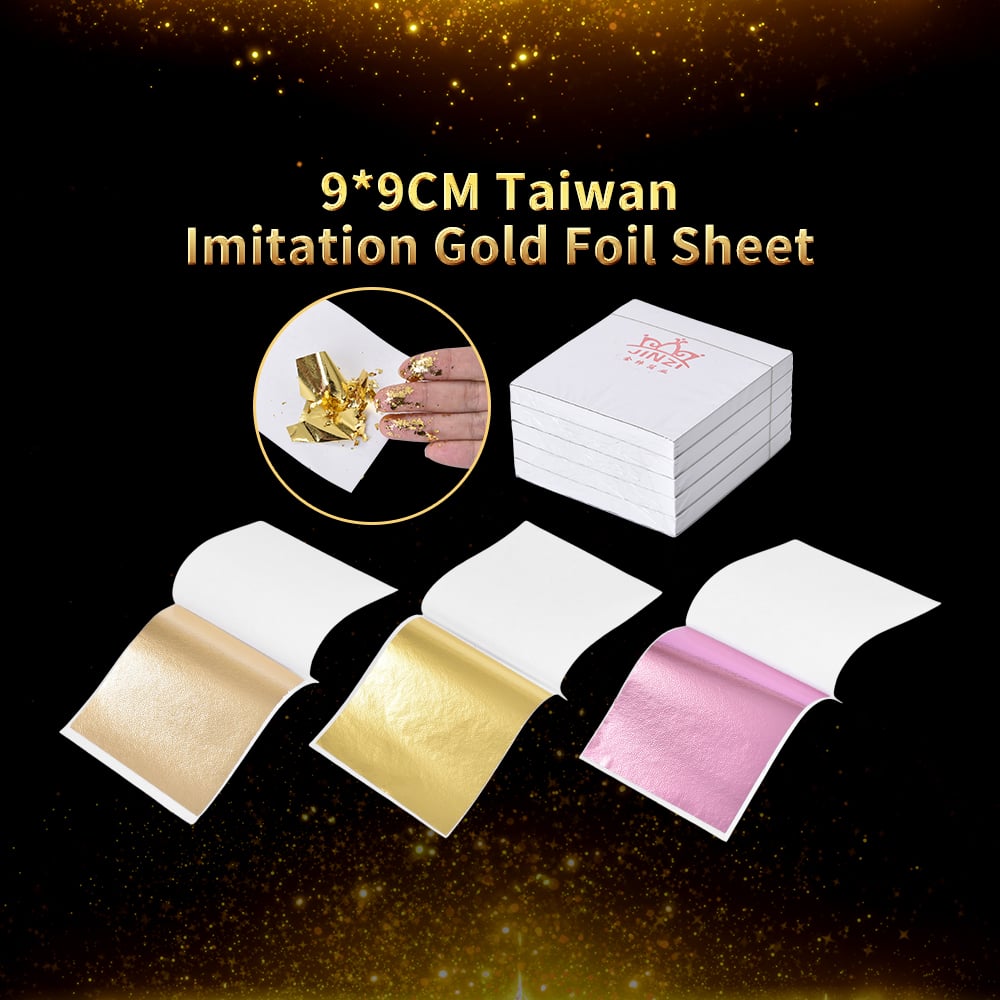
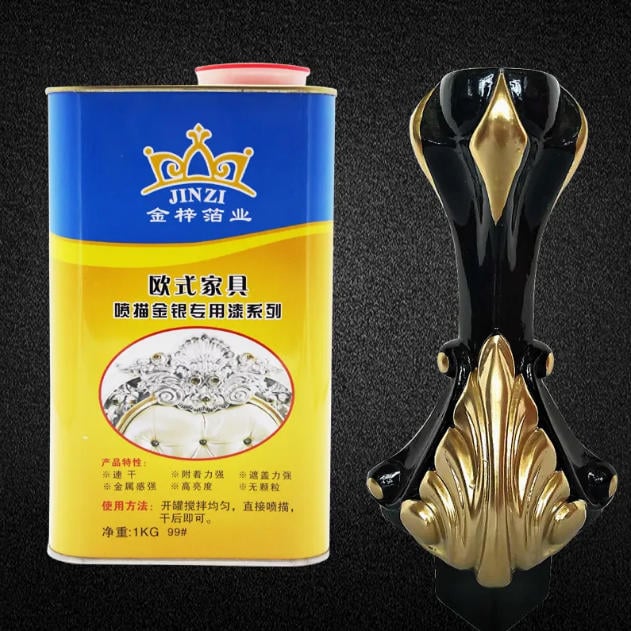
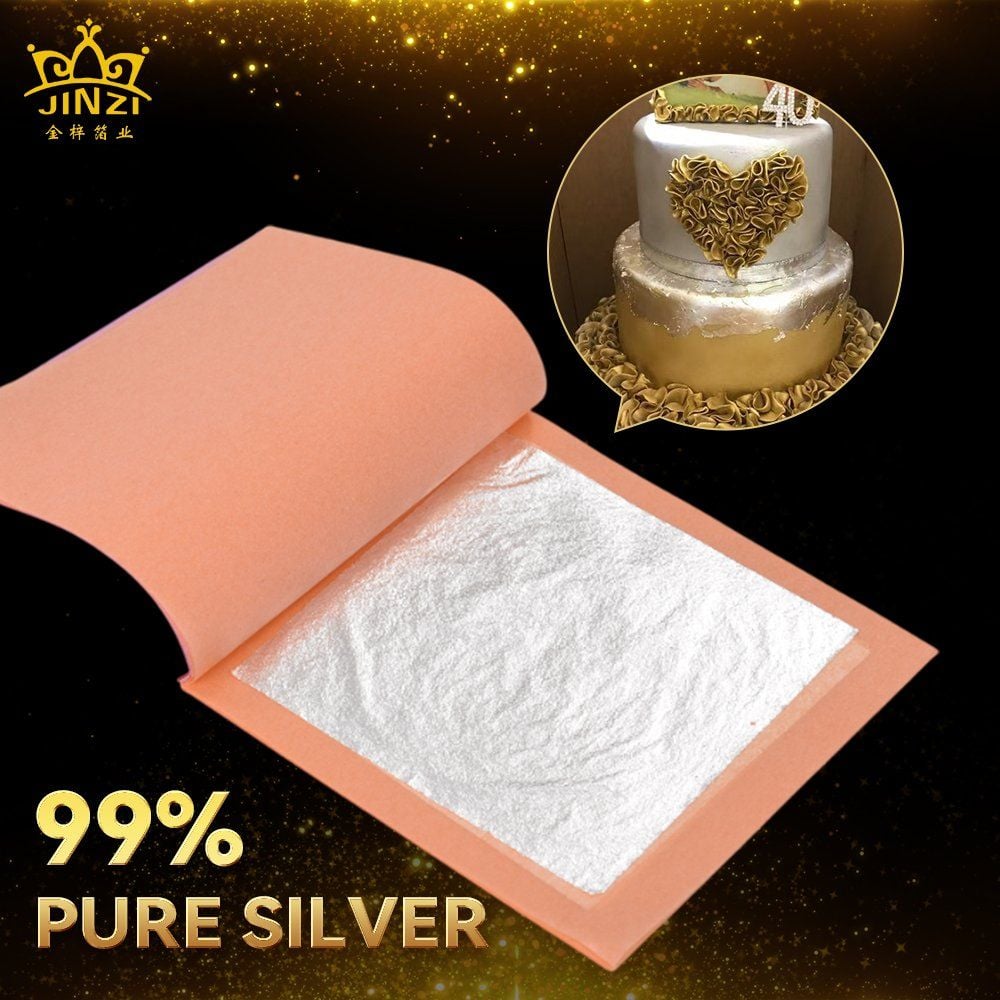
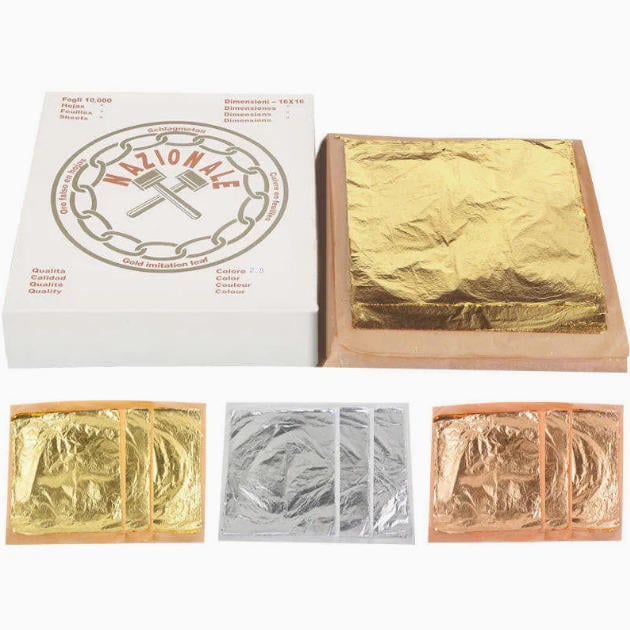
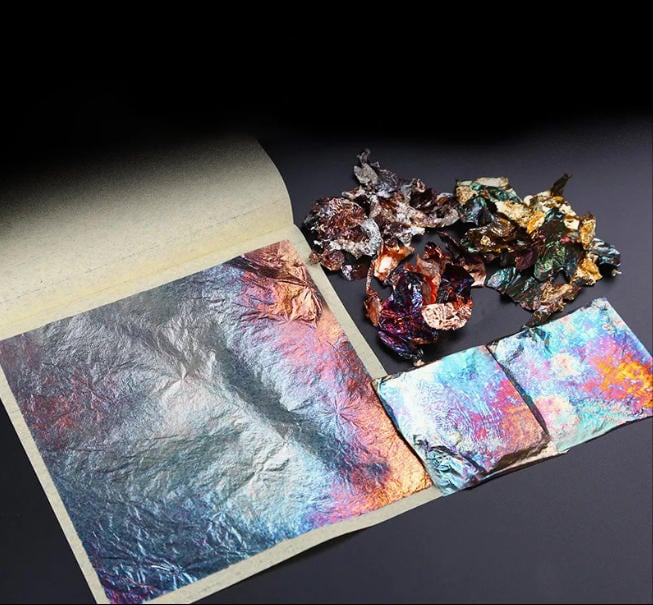
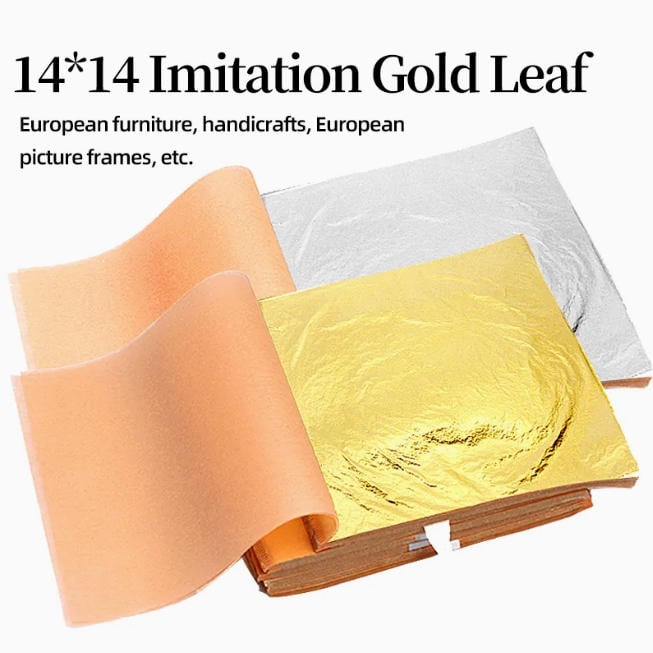
With its dazzling luster and symbol of luxury, gold leaf holds a significant position in the field of decoration. It is widely applied across various industries and scenarios, endowing objects and spaces with unique charm and cultural connotations.
I. Architectural Decoration: Exuding Dignity and Luxury
In the realm of architecture, gold leaf is often used to create magnificent and solemn visual effects. Religious buildings such as temples and churches frequently employ gold leaf to adorn Buddha statues, murals, domes, and other parts. For instance, the Grand Palace in Bangkok, Thailand, uses gold leaf to decorate its spires, eaves, and murals. Glistening under the sun, it showcases the sacredness and solemnity of religious architecture. The golden mosaic paintings in St. Mark's Basilica in Italy leverage the reflective properties of gold leaf to create a mysterious atmosphere with changing light and shadows. Additionally, in high - end hotels, private clubs, and luxury residences, gold leaf is used to decorate walls, ceilings, furniture, etc., enhancing the luxurious ambiance of the space. For example, some decorations in the Burj Al Arab in Dubai use gold leaf, fully demonstrating opulence.
II. Artistic Creation: Enhancing Artistic Expressiveness
Gold leaf is a unique material in artistic creation, adding texture and depth to artworks. In the field of painting, artists sometimes apply gold leaf locally on oil paintings, watercolors, and ink wash paintings to enhance the visual impact and artistic appeal of the works. Gustav Klimt's paintings, for example, extensively use gold leaf, imbuing his works with a mysterious decorative beauty. In sculpture, gold leaf can be used to decorate the surface of sculptures, giving them a noble air. For example, sculptures of ancient emperors or religious figures appear more majestic and sacred after being gilded. Moreover, in modern art installations and handicraft designs, gold leaf is often used by designers to create novel and unique artistic effects.
III. Lifestyle Accessories: Elevating Quality and Style
In the field of lifestyle accessories, gold leaf is commonly used to create high - end and exquisite products. In jewelry, gold leaf is combined with diamonds, gemstones, etc., to design unique rings, necklaces, earrings, etc. Some brands, for example, have launched jewelry inlaid with gold leaf, showcasing both the nobility of gold and the brilliance of gemstones. Accessories such as watch dials, pen bodies, and eyeglass frames also adopt gold leaf decoration, enhancing the quality and fashion sense of the products and meeting consumers' pursuit of personalization and high - end products.
IV. Cultural Handicrafts: Carrying Culture and Heritage
Gold leaf plays a crucial role in the production of cultural handicrafts and is often used to create traditional handicrafts that carry cultural connotations and historical memories. For example, Chinese gold leaf paintings use gold leaf as the material to create exquisite patterns through special techniques. The themes cover landscapes, figures, flowers, birds, etc., featuring rich traditional Chinese cultural characteristics. Japanese gold leaf lacquerware combines gold leaf with lacquerware techniques to produce practical and artistically appealing tea sets, tableware, etc., reflecting the sophistication of traditional Japanese craftsmanship. In addition, the application of gold leaf in cultural and creative products such as bookmarks, postcards, and greeting cards can also add uniqueness and collectible value to these products.
V. Food Decoration: Creating a Visual Feast (in Compliant Regions)
In some countries and regions where gold leaf is permitted as a food additive, it is used for food decoration to enhance the visual effect and high - end positioning of food. For example, in Japanese gold leaf wine, the gold leaf floats and sways in the wine, adding a sense of ritual to the drinking experience. Some high - end chocolates and desserts in Europe are dotted with gold leaf on the surface, making them look more luxurious and attractive. However, the use of gold leaf in food is controversial. Many countries have strict restrictions on its use due to concerns about safety and nutritional value.
With its unique decorative properties, gold leaf plays an important role in different fields. From architecture to art, from lifestyle accessories to cultural handicrafts, it demonstrates irreplaceable charm, continuously bringing people aesthetic enjoyment and cultural edification.
 Hot News
 EN
EN