
 EN
EN
Exploring the World of Metallic Finishes
Achieving a luxurious, metallic look is a timeless pursuit in both interior design and fine art. When looking for that perfect shimmer, decorators and artists are often presented with various material options. While many aim to deliver a high-end metallic finish, they function very differently in practice. Understanding the chemical composition, application process, and long-term durability of these materials is essential for anyone aiming to produce professional-grade results. Whether renovating a period furniture piece or creating an original contemporary mural, selecting the correct medium is not just a creative choice—it is a technical decision that determines the longevity and visual impact of your work. Professional artisans know that the secret to a high-end look lies in the nuanced understanding of how different metallic mediums behave on various substrates.
Defining Gold Paint: Convenience meets Aesthetic
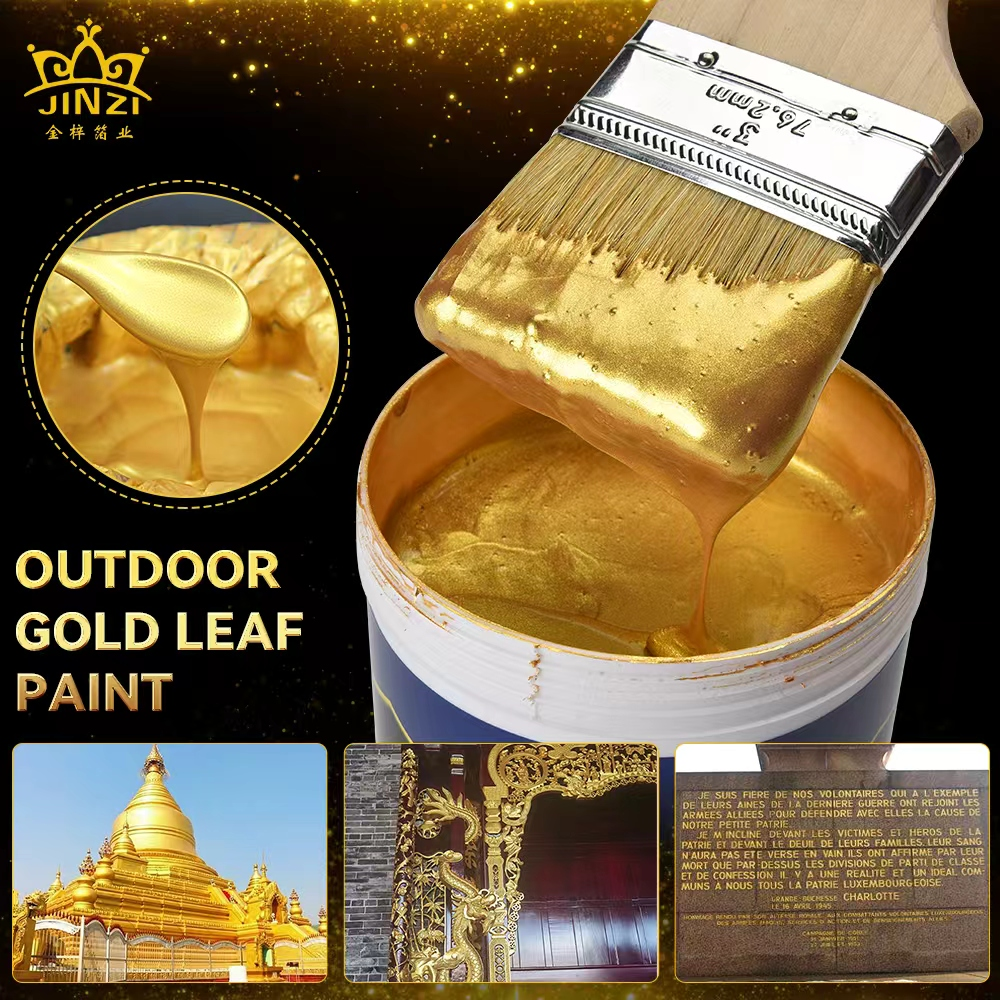
Gold paint is arguably the most common choice for DIY enthusiasts and interior decorators. It comes pre-mixed, meaning the metallic particles are already suspended in a binder or resin. This ready-to-use nature makes it incredibly convenient, as it eliminates the need for measuring or mixing on-site. However, the convenience of this medium comes with specific considerations. The quality of the finish is heavily dependent on the type of binder used; some lower-end versions can appear flat or 'muddy' over time as the particles settle. Professional-grade options often use high-quality resin to keep the metallic flakes suspended, ensuring that they reflect light uniformly. It is best suited for quick touch-ups or projects where speed and ease of application are the primary goals, such as painting picture frames, architectural moldings, or large-scale decorative accents in residential settings.
Gold Powder Pigment: Unlocking Artistic Customization
For artists who demand total control over their medium, gold powder pigment is the professional choice. Unlike pre-mixed alternatives, this material arrives as a dry, concentrated substance that must be mixed into a vehicle—such as varnish, oil, or acrylic medium—at the point of application. This process allows for infinite customization. By adjusting the ratio of powder to binder, an artist can create anything from a translucent, wash-like glaze to a thick, opaque metallic impasto. Furthermore, this material offers a superior metallic sheen because the particles remain suspended in fresh resin, resulting in less oxidation and a crisper, more vibrant reflection. It requires more knowledge to use correctly, but for those working on custom commissions or high-end restoration projects, the level of flexibility provided is unmatched by pre-formulated products.
Technical Comparison: Durability and Performance
When analyzing these products through an EEAT lens, one must consider performance in diverse environments. A high-quality gold paint provides a consistent, albeit somewhat predictable, result. It is excellent for indoor, light-touch areas where efficiency is key. In contrast, projects that require extreme durability or specific weathering resistance often favor custom mixes created with high-grade pigments. The interaction between the metallic particles and the environment is where technical expertise becomes critical. For instance, authentic bronze or metallic-alloy based powders require a protective topcoat to prevent tarnishing in humid conditions. Understanding these complex chemical interactions is what elevates a project from a simple decorative job to a professional masterpiece that can withstand the test of time, proving the importance of matching material science to the intended project environment.
Selecting the Right Medium for Your Application
The decision between these two options ultimately comes down to the scale and technical requirement of the project. If you are decorating a large wall or working on a piece that needs to be finished within a few hours, the ease of pre-mixed solutions is undeniable. However, if your work involves complex textures, requires a specific metallic 'depth' that standard paints fail to capture, or demands superior archival quality, the customization of powders is superior. Furthermore, consider the environment where the final piece will reside. Items destined for outdoor use require significantly more robust binders and UV-stable pigments compared to those meant for a protected, indoor gallery setting. By pre-testing your materials on a scrap piece of the same substrate, you can observe how the metallic finish reacts to light and whether the drying time aligns with your production schedule. Many professionals actually keep both on hand. They might use a base coat of high-quality paint to provide initial coverage, then use a custom-mixed powder glaze to add highlights, depth, and shadow to the final piece. This layered approach is a hallmark of experienced artisans who understand how to manipulate light and texture to bring a vision to life.
Expertise in Metallic Solutions: The Jinzi Foil Industry Advantage
Navigating the complexities of metallic finishes requires a partner who understands the science behind the shine. Jinzi Foil Industry has built an extensive portfolio serving artists, manufacturers, and design studios, providing the essential components that drive professional results. By maintaining strict control over the raw materials—from the fineness of their specialized pigments to the chemical stability of their metallic dispersions—Jinzi Foil Industry ensures that every product meets the highest standards for color consistency and durability. Their role goes beyond simple supply; they provide technical insights into how different pigments behave in various mediums, helping creators achieve the exact look they envision. Whether you are scaling up a manufacturing process or sourcing materials for a delicate restoration, Jinzi Foil Industry delivers the technical reliability needed to transform creative ideas into long-lasting, visually stunning realities.
Table of Contents
- Exploring the World of Metallic Finishes
- Defining Gold Paint: Convenience meets Aesthetic
- Gold Powder Pigment: Unlocking Artistic Customization
- Technical Comparison: Durability and Performance
- Selecting the Right Medium for Your Application
- Expertise in Metallic Solutions: The Jinzi Foil Industry Advantage