
 EN
EN
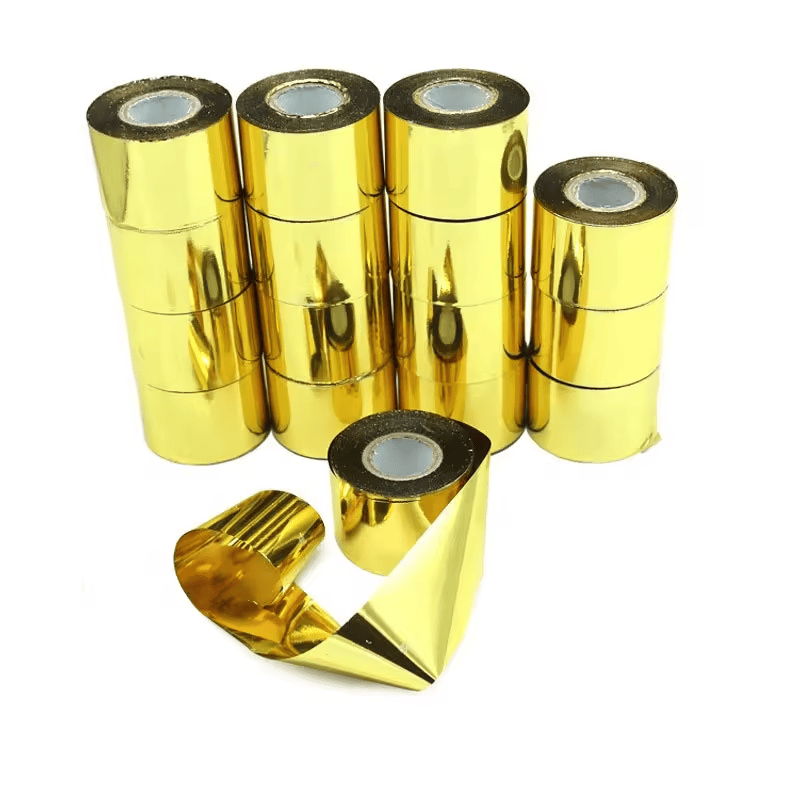
The Timeless Grandeur of Gold Leaf Murals
Large-scale murals have always been the pinnacle of decorative arts, turning ordinary walls into immersive, opulent environments. In recent years, professional artists and interior designers have increasingly turned to specialized metallic roll products as their primary material for these grand projects. Unlike loose-leaf formats, which can be incredibly brittle and difficult to handle on large vertical surfaces, the roll format offers unparalleled control and efficiency. Whether working on high-ceiling banquet halls or intimate boutique retail spaces, the ability to apply gold seamlessly over expansive areas is a game-changer. By incorporating these metallic elements, designers can capture light in ways that paint simply cannot achieve, creating a dynamic environment that evolves throughout the day as natural and artificial light shifts across the surface. This effect adds a layer of depth and luxury that defines premium interior design.
Laying the Foundation for Perfect Adhesion
Success in mural gilding starts long before the gold is touched; it begins with meticulous surface preparation. A mural wall must be completely smooth, as even the smallest imperfection will be magnified once the metallic surface is applied. Professionals typically apply a high-quality primer followed by a pigmented base coat—often a deep, warm hue—to act as the underpainting. After the base has fully dried, the application of a high-tack gilding size is the next critical step. For mural work, ensuring an even layer of size is paramount to avoid visible seams or 'holidays' (missing spots). Using a professional-grade roller or spray equipment can help achieve a perfectly uniform coating, providing the consistent stickiness required for the roll imitation gold leaf to adhere without wrinkles or lifting. This preparation phase is the most critical step to ensure that the final result is both visually stunning and physically durable for years.
Mastering the Technique for Large-Scale Applications
Working with roll imitation gold leaf on a vertical surface requires a rhythmic, steady hand. Unlike working on a flat table, wall application demands that the artist work from top to bottom, ensuring gravity works in their favor. The technique involves unrolling the leaf directly onto the tacky size while simultaneously applying firm, even pressure with a soft brush or a specialized applicator. The beauty of this material format is its ability to cover broad strokes, minimizing the number of seams and creating a flowing, cohesive metallic finish. Experienced muralists often advocate for 'lapping' the edges of the rolls by just a few millimeters to ensure a seamless transition. This requires a delicate touch and a deep understanding of the drying time of the adhesive, as working too early can lead to trapped air bubbles, while waiting too long can compromise the bond. Consistent practice on sample boards is recommended before attempting to gild an entire wall, allowing artists to refine their speed and pressure.
Expert Insights and Troubleshooting
Even the most seasoned professionals occasionally encounter challenges when gilding large murals. Oxidation is the most common concern, as many roll imitation gold leaf products will tarnish if left unprotected. Experts emphasize the importance of monitoring room humidity and temperature, as these factors significantly affect the 'open time' of the adhesive. If an artist notices the edges of the application lifting, it often indicates either insufficient adhesive coverage or a lack of pressure during the initial application. In such cases, a light second pass with the applicator can resolve the issue. Furthermore, planning the workspace layout to avoid sudden drafts is essential, as these thin metallic sheets can easily become airborne, causing unintended dispersion across the mural surface. Taking the time to properly stage the area can save hours of corrective work later in the process.
Preserving the Brilliance of Your Masterpiece
The final stage of a mural project is the application of a protective sealant, which is non-negotiable for longevity. Because imitation gold is composed of alloys that will naturally react with the environment, a clear, high-performance acrylic or polyurethane varnish must be applied. This sealer acts as a barrier against dust, atmospheric moisture, and touch, effectively locking in the brilliance of the gold. Once the mural is fully sealed, the maintenance requirements are minimal. Regular, gentle dusting is all that is required to keep the surface looking pristine. Understanding the chemistry between the leaf, the adhesive, and the final sealer is what separates high-end professional installations from amateur work, ensuring that the visual impact remains as striking years later as it was on the day of completion. Investing in high-quality sealants is just as vital as the quality of the gold itself.
Strategic Procurement with Jinzi Foil Industry
For muralists and commercial contractors, the reliability of materials is as important as the technique itself. Sourcing inconsistencies can lead to noticeable color variations across a large wall, which is catastrophic in a professional installation. Jinzi Foil Industry has positioned itself as a trusted leader in the global supply chain, offering high-precision roll imitation gold leaf that guarantees color consistency and mechanical durability. Their expertise in manufacturing ensures that every roll is wound with perfect tension, reducing the risk of tearing and ensuring a smooth, seamless application every time. By partnering with Jinzi Foil Industry, project managers and lead artists gain access to bulk supply options and technical support that streamline operations, reduce waste, and ultimately deliver a superior finished product that meets the highest aesthetic standards of the luxury design industry. Reliable supply chain management is the backbone of successful, large-scale commercial art installations.