Addition to Alcoholic Beverages
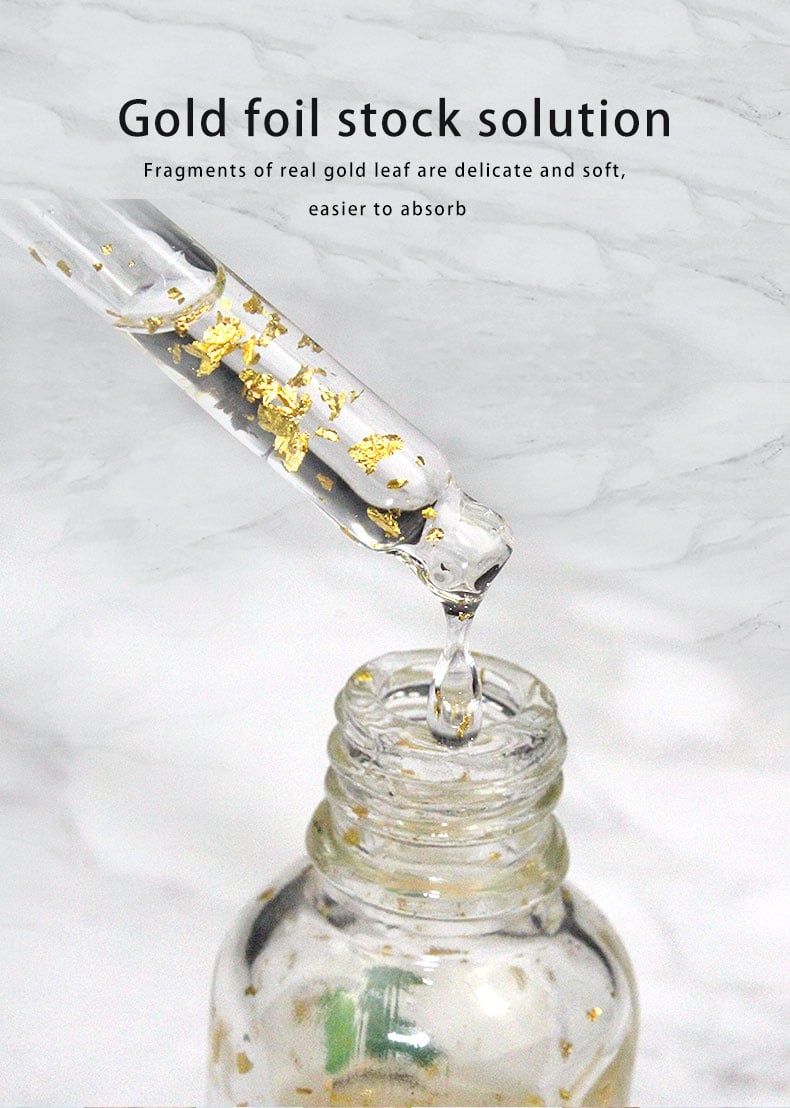
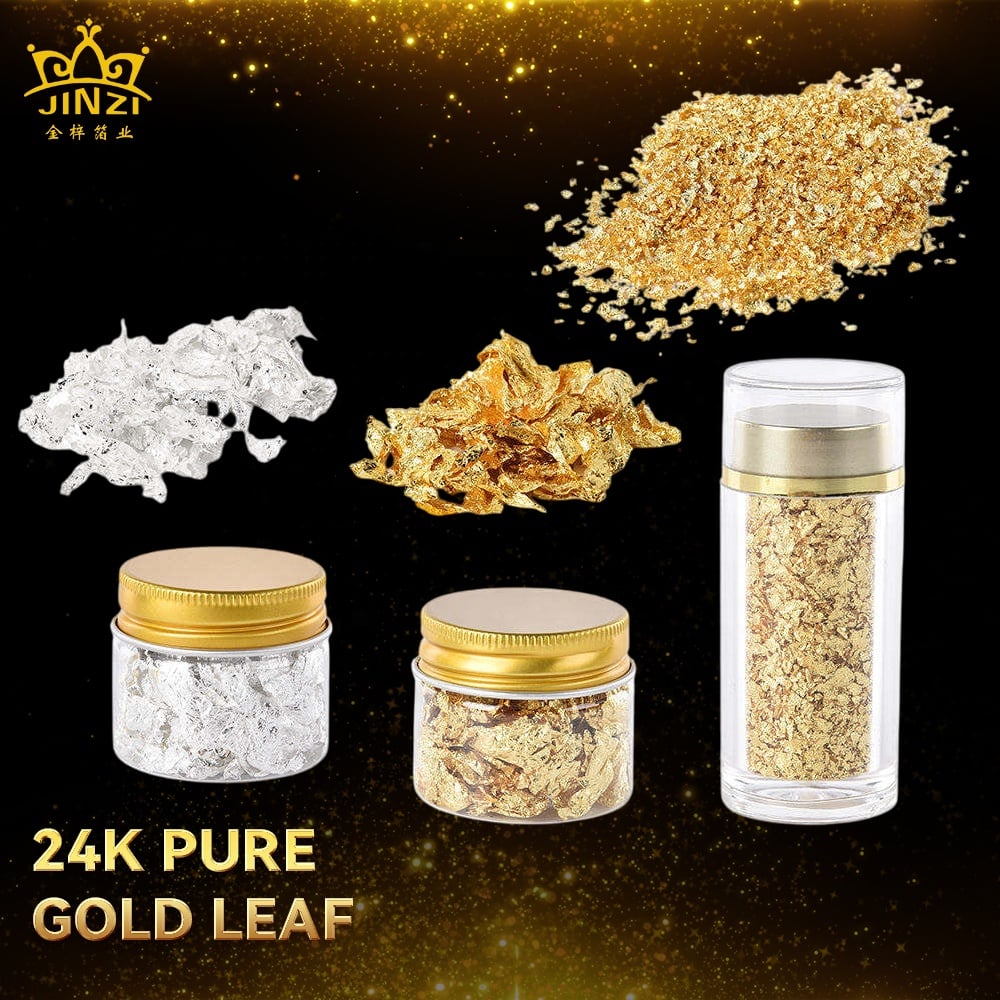
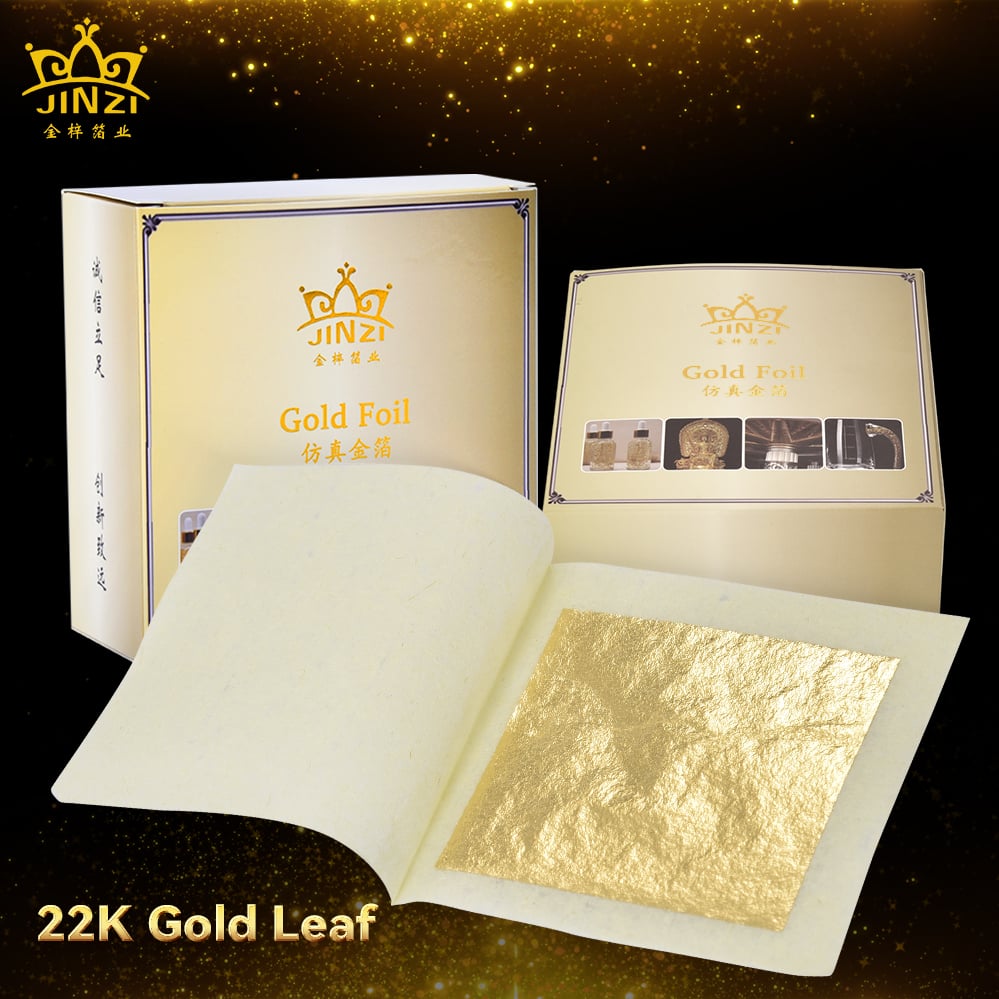
Edible gold leaf is widely applied in the global alcoholic beverage industry. In Europe, Japan and many other regions, ultra-thin edible gold leaf is added into whiskey, fruit wine, sake and other liquors. The lightweight gold leaf suspends in the liquid and creates a glittering visual effect, which acts as a symbolic ornament for high-end drinks. Wines with gold leaf are popular gift options for festivals and business occasions.
Decoration for Desserts and Pastries
Decoration for Chocolates, Candies, Cakes, Macarons & Ice Cream: Crushed edible gold leaf decorates premium chocolates and fills handmade candies for a luxurious look, serving as key ornament for high-end limited chocolates. Ultra-thin gold leaf tops cakes, macarons and gelato, and widely adorns classic Italian desserts for shop products and fine dining plating.
Condiments and Functional Foods
Edible gold leaf is added to high-grade honey, premium salad dressings and specialty sauces as a selling point. Merchants promote such products with positioning concepts of health preservation and luxury lifestyle. Nevertheless, relevant research in the food industry indicates that edible gold leaf barely delivers effective nutritional intake for human bodies.
Western Cuisine Fine Plating (Supplement)
High-end western restaurants and French banquet catering decorate steak, foie gras, cold appetizers and fine set meals with crushed edible gold leaf to upgrade plating grade, which is widely used for wedding dinners and top banquets.
Application in Tea & Sparkling Non-alcoholic Drinks (Supplement)
Modern bubble tea, fruit sparkling water and high-end bottled tea also adopt edible gold leaf for decoration. Floating gold fragments improve the appearance of drinks, satisfying young consumers’ demand for aesthetic, photo-friendly beverages
 Hot News
2026-04-29
2025-07-01
2025-06-25
2025-06-04
2026-08-06
2026-07-29
Jinzi Foil provides premium 24K gold foil, imitation gold/copper foil, adhesives & protective oils for furniture, architecture & crafts. 15+ years expertise, 500+ projects, ISO-quality assurance. Request samples today.
A51, Lecong Avenue, Lecong Town, Shunde District, Foshan City, Guangdong Province
Copyright © 2026 by Foshan Shunde Jinzi Foil Decoration Material Co., Ltd. Privacy Policy
 EN
EN