
 EN
EN
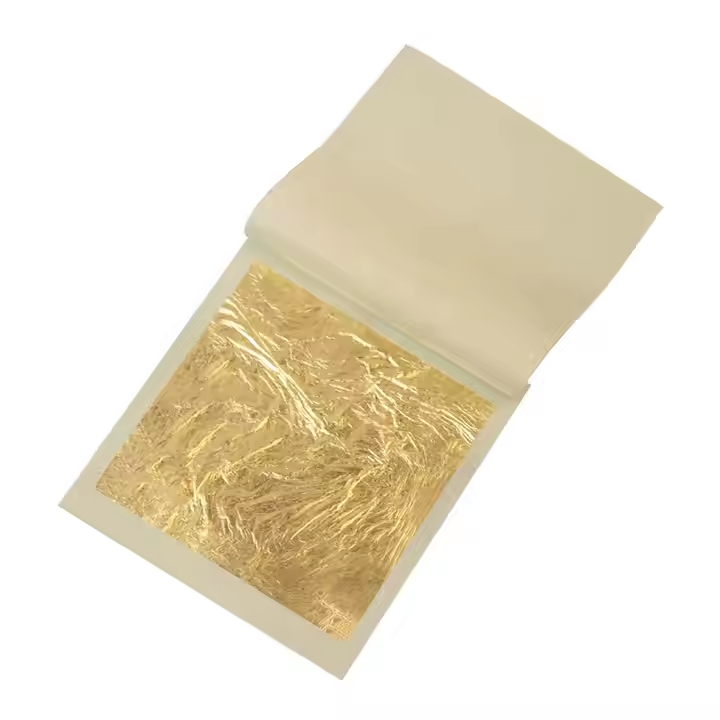
The Unmatched Craftsmanship of Taiwan Gold Leaf
Gold leaf has captivated human imagination for millennia, serving as the ultimate symbol of opulence, sanctity, and refinement. While many regions boast traditional gilding histories, the modern evolution of Taiwan gold leaf has carved out a unique niche in the global market. What sets this specific category apart is not just the material itself, but the meticulous marriage of traditional hammering techniques with advanced metallurgical consistency. Professional gilders, interior designers, and industrial manufacturers are increasingly shifting their attention toward Taiwanese production standards, recognizing that the precision achieved in these workshops delivers a level of reliability that is hard to replicate elsewhere. The pursuit of perfection in gold leaf manufacturing requires a deep understanding of metallic plasticity, and it is here that the industry excels.
Precision Engineering in Every Leaf
At the core of the uniqueness found in Taiwanese gold leaf production lies a disciplined focus on mechanical consistency. Unlike some artisanal methods that rely solely on intuition, professional manufacturing environments in Taiwan integrate standardized beating processes that ensure every sheet—whether it is 24K pure gold or a specialized imitation alloy—retains a uniform thickness throughout the entire surface area. This uniformity is absolutely critical for high-end applications where even a micron of variance can lead to imperfections, color inconsistencies, or peeling in the final finish.
By controlling the environmental conditions during the beating process and utilizing high-grade, chemically neutral carbon-fiber paper layers, manufacturers achieve an exceptional spread and surface tension. This technical rigor ensures that when the leaf is applied, it exhibits a flawless, mirror-like quality that withstands the test of time. Furthermore, the molecular structure of the gold is preserved during the thinning process, ensuring that the leaf remains malleable enough to be applied to complex, three-dimensional carvings without cracking or tearing, a common failure point in lower-quality alternatives.
From Heritage Arts to Modern Industrial Utility
The true depth of the value provided by this industry is best seen in its diverse range of practical applications. Historically, gold leaf was reserved for religious statues, palace interiors, and fine art. However, today’s gold leaf from Taiwan has transcended those boundaries, finding essential roles in the automotive industry, high-end electronics, and luxury furniture manufacturing. Because the quality of these foils is so strictly maintained, they provide excellent adhesion and durability, making them suitable for complex, textured surfaces that require both flexibility and resilience.
In the automotive sector, for instance, interior trim components decorated with gold leaf must endure significant fluctuations in temperature and humidity without degrading. The technical mastery found in Taiwan ensures that the gold leaf bonds effectively with various industrial substrates, including high-performance resins and treated wood. This transition from purely decorative art to a functional industrial material is a testament to the innovation inherent in local production hubs, where centuries-old wisdom meets the stringent requirements of modern manufacturing technology.
Trust Through Transparent Quality Standards
For architects and industrial buyers, the most pressing question is often the reliability of the supply chain. Trust in gold leaf is built on transparency—knowing exactly what the composition of the foil is and how it will react over time under different exposure conditions. The best production facilities ensure that all raw materials are rigorously tested for impurity levels before they even touch the beating machines. When sourcing high-quality gold foils, professional buyers look for consistency in color, ease of transfer, and resistance to oxidation.
By maintaining stringent on-site inspection protocols, leading manufacturers ensure that every book of gold leaf delivered to a client meets global safety and aesthetic benchmarks, minimizing waste and maximizing efficiency for the end-user. This commitment to transparency is what differentiates reputable producers from transient suppliers. It is a systematic approach to quality assurance that includes batch testing for thickness accuracy, chemical composition verification, and accelerated aging tests to ensure long-term color stability.
Partnering with Jinzi Foil Industry for Superior Results
The journey from a raw metallic strip to a wafer-thin, radiant sheet of gold leaf is complex and demanding. Success in this field requires not just the right equipment, but a deep-seated commitment to craftsmanship. Jinzi Foil Industry has positioned itself at the forefront of this sector by combining deep manufacturing expertise with an agile approach to supply chain management. By focusing on both the mechanical properties of the foil and the aesthetic perfection of the final application, the company provides a comprehensive solution for global clients.
Whether a project requires bespoke gold leaf sheets for a historical restoration that demands authentic historical aesthetics, or specialized foils for modern decorative mass production, the ability to deliver consistent, high-quality materials is a cornerstone of the brand’s identity. Through a blend of R&D investment and a profound respect for traditional techniques, Jinzi Foil Industry remains a trusted partner for those who refuse to compromise on the brilliance of their final work. By bridging the gap between delicate traditional art and the requirements of modern scalable production, the company continues to redefine what is possible in the world of luxury materials.